|

|
In emergency dial 999 or 112 (cell
phones) to call for the ambulance. The call is toll-free but
do not expect anybody on the other end would speak good
English though it's possible.
|
|
|
Hospital emergency wards (or Szpitalny Oddzial Ratunkowy -
SOR), help everybody who needs immediate medical care,
including foreigners, without asking about a health
insurance.
See the list of hospital emergency wards in Krakow
|
|
|
Citizens of the European Union are entitled to the benefits
of Poland’s universal health insurance as long as they can
present either the E111 form issued in their respective
countries or European Health Insurance Card (EHIC) or a
replacement certificate.
|
|
|
In
practice, dental treatments in Krakow
aren't covered by the universal health insurance. There is a
number of dental clinics in the city that cater for
emergencies 24/7.
|
|
|
If there is no emergency but you
want to see doctor anyway, a private clinic seems the best
option. They are abundant and fairly affordable for most
foreign visitors. As a rule you can secure the appointment
immediately, and the quality of medical services is – as a
rule, again – much better than in the public health care.
And it is fairly possible to find a specialist that speaks
English since many studied or worked abroad. By the same
token, there is no shortage of dental clinics and dentists
practicing in Krakow.
|
|
|
Tap water in Poland is drinkable
but hardly savory. Poland’s bottled water and soft drinks
are OK and fruit juice (try black currant!) even better.
Polish shops sell only pasteurized milk.
|
|
|
Food in Poland generally entails
the same health hazards as in the rest of the European Union
or in the USA.
|
|
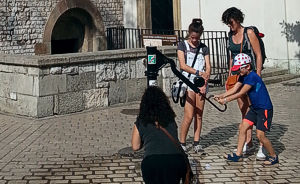
Note: Every summer heatwaves hit Krakow time and again so
take care to take the usual precautions. At the same
time don't drink water from pumps in the central
square as tourist often do: it's fresh and cold but
it's unfit for drinking and can make you sick.
Whereas the Krakow tap water is drinkable, the pumps
draw untreated water from wells beneath the square
which may be easily
contaminated.
Healthcare in Krakow
Hospitals in Krakow
Dentists and dental treatment in Krakow
Flu in Krakow
|